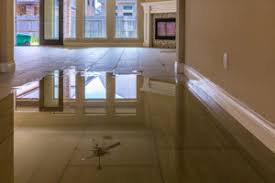
Flooding can strike without warning, leaving homes, businesses, and communities vulnerable to severe water damage. Effective flooding restoration is critical to minimize losses, protect property, and ensure the safety of residents. Industry professionals emphasize that the key to successful recovery lies in preparation, rapid response, and understanding the processes involved in restoring spaces affected by floods.
Understanding the Importance of Flooding Restoration
Flooding restoration is more than just cleaning up water; it’s a comprehensive process that addresses structural damage, contamination, and the prevention of future issues. When floods occur, water can seep into walls, floors, and personal belongings, creating long-term problems like mold growth, weakened foundations, and health hazards. Industry professionals stress that addressing these issues promptly is crucial because delayed action can result in increased repair costs and irreversible damage.
Professionals in the field often point out that many homeowners underestimate the hidden dangers of floodwater. Even small amounts of standing water can infiltrate porous materials, leading to structural instability and the proliferation of bacteria. Therefore, a well-executed flooding restoration plan ensures safety, cleanliness, and long-term stability for affected properties.
Immediate Actions Following Flooding
One of the first pieces of advice from experts in flooding restoration is to prioritize safety. Turn off electricity and gas supplies, avoid walking through contaminated water, and assess the situation carefully. Ensuring personal safety is the first step before any restoration work begins.
Once the immediate risks are mitigated, industry professionals recommend documenting the damage. Photographs and detailed notes will be invaluable for insurance claims and for planning the restoration process. Proper documentation helps restoration teams understand the extent of the damage and develop a tailored approach to recovery.
Engaging Professional Flooding Restoration Services
While some may attempt to handle minor flooding on their own, experts consistently advise hiring trained flooding restoration professionals. These specialists have the knowledge, equipment, and experience to handle both visible and hidden water damage. Professionals use high-powered pumps, industrial-grade dehumidifiers, and moisture meters to ensure that all water is removed effectively.
In addition to equipment, trained personnel can identify areas at risk of mold or bacterial growth. Flooding restoration is not just about drying out a home; it’s about creating a safe and healthy environment for residents post-flood. Professionals can treat contaminated surfaces and apply disinfectants to prevent health risks associated with floodwater.
Steps in the Flooding Restoration Process
Flooding restoration is a multi-step process, carefully designed to restore properties to their pre-flood condition. Experts outline these essential stages:
- Assessment and Inspection – Professionals conduct a thorough evaluation of the affected property to identify structural damage, water penetration, and contamination. This step allows for a detailed plan of action.
- Water Removal – Using pumps and vacuums, restoration teams remove standing water efficiently. Rapid water extraction is critical to prevent further damage and inhibit mold growth.
- Drying and Dehumidification – After water removal, specialized dehumidifiers and air movers are used to dry the property completely. This process ensures that hidden moisture in walls, floors, and furniture does not cause future problems.
- Cleaning and Sanitization – Floodwater often contains bacteria, chemicals, and debris. Professionals clean and disinfect all surfaces to restore a safe living environment.
- Restoration and Repairs – Finally, damaged areas are repaired or replaced. This may include structural repairs, flooring replacement, painting, and other finishing touches to restore the property to its original condition.
Preventing Future Flood Damage
Experts in flooding restoration emphasize that recovery should also include preventive measures. Installing sump pumps, reinforcing drainage systems, and using water-resistant building materials can significantly reduce the risk of future flooding. Regular maintenance of these systems is equally important to ensure they function correctly during heavy rainfall or unexpected water events.
Educating homeowners about flood risks and preparedness is another critical aspect of professional advice. Professionals encourage families to have emergency plans, flood insurance, and supplies on hand. Understanding the local flood history and identifying vulnerable areas in the home can make a significant difference in reducing damage.
The Role of Technology in Modern Flooding Restoration
Industry professionals highlight that technological advancements have transformed flooding restoration. Modern moisture detection tools, thermal imaging cameras, and advanced drying systems enable faster and more efficient restoration. These technologies allow professionals to detect hidden water damage and ensure complete drying, reducing the risk of mold and structural deterioration.
Moreover, software solutions help manage restoration projects, track progress, and communicate with clients efficiently. This integration of technology ensures that flooding restoration is not only thorough but also timely, minimizing stress for property owners.
Choosing the Right Flooding Restoration Professional
Selecting the right professional for flooding restoration is crucial. Experts recommend looking for certified companies with experience, positive reviews, and transparent pricing. Certifications from recognized industry organizations indicate that the team is trained in best practices for water damage restoration and mold remediation.
Communication is another important factor. Professionals who keep clients informed throughout the restoration process help reduce anxiety and ensure expectations are met. Industry leaders also emphasize the importance of following local regulations and safety standards during restoration.
Conclusion
Flooding restoration is a complex but essential process that protects property, health, and safety. By following expert advice, prioritizing safety, and engaging professional services, homeowners can navigate the challenges of flood recovery more effectively. Immediate action, thorough water removal, proper drying, and preventive measures all contribute to a successful restoration outcome.
Industry professionals stress that while floods are unpredictable, preparation and prompt professional intervention make a significant difference. Investing in experienced flooding restoration services not only restores property but also provides peace of mind and safeguards long-term well-being.
In an era of increasingly severe weather events, understanding the importance of flooding restoration and relying on expert guidance is more critical than ever. Professionals in the field continue to innovate, ensuring that affected properties are restored safely, efficiently, and effectively, allowing residents to recover and rebuild with confidence.
Flooding restoration is not just about fixing what is damaged; it’s about preventing future problems, protecting health, and creating resilient living spaces for the challenges ahead.
