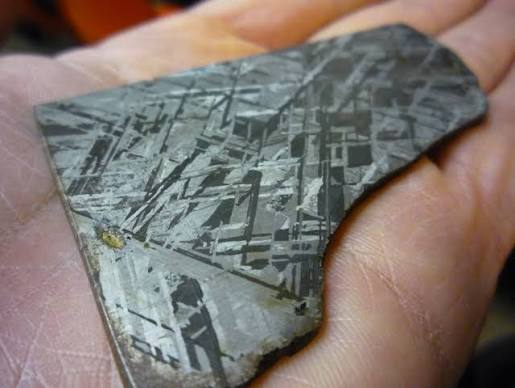
Nickel chromium iron alloy is a specialized metallic material valued for its combination of strength, corrosion resistance, heat resistance, and durability. By combining nickel, chromium, and iron in carefully controlled proportions, manufacturers can create alloys capable of performing Nickel Chromium Iron Alloy reliably in demanding industrial environments. These materials are widely considered when ordinary steels or conventional metals cannot provide the required resistance to heat, oxidation, or aggressive operating conditions.
From chemical processing equipment to power generation systems, aerospace components, heat-treatment equipment, and industrial machinery, nickel chromium iron alloys offer a versatile solution for applications exposed to challenging conditions. Understanding their composition, properties, advantages, and uses can help engineers and manufacturers select an appropriate material for specific requirements.
What Is Nickel Chromium Iron Alloy?
Nickel chromium iron alloy is a family of metallic alloys primarily containing nickel, chromium, and iron. Additional elements may be included depending on the particular grade and its intended application. These additions can improve properties such as strength, oxidation resistance, weldability, corrosion resistance, or stability at elevated temperatures.
Nickel provides excellent resistance to many corrosive environments and contributes to structural stability at high temperatures. Chromium forms a protective oxide layer that helps the material resist oxidation and corrosion. Iron contributes to the overall structure and can help provide mechanical strength and cost-effective alloy performance.
The exact chemical composition varies between different grades. Therefore, engineers generally select a particular alloy according to temperature, pressure, chemical exposure, mechanical loading, and fabrication requirements.
Key Properties of Nickel Chromium Iron Alloy
One of the main reasons nickel chromium iron alloys are used in industry is their combination of several important material properties.
High-Temperature Performance
Many nickel-based alloys maintain useful mechanical properties at elevated temperatures. This makes them suitable for components exposed to heat for extended periods. Depending on the grade, they can resist deformation, oxidation, and strength loss under demanding thermal conditions.
This characteristic is particularly valuable in furnaces, heating systems, power-generation equipment, and other high-temperature applications.
Corrosion Resistance
Nickel and chromium work together to provide strong corrosion resistance. Chromium can create a protective oxide layer on the material’s surface, while nickel contributes resistance to various corrosive environments.
This makes nickel chromium iron alloy useful for equipment that comes into contact with chemicals, moisture, gases, and high-temperature process environments.
Oxidation Resistance
At elevated temperatures, oxidation can seriously affect conventional metals. Nickel chromium iron alloys can offer improved resistance to oxidation, helping extend component service life.
This property is important for heating elements, furnace components, exhaust-related equipment, and industrial processing systems operating at high temperatures.
Mechanical Strength
These alloys can provide a useful balance of tensile strength, toughness, and structural stability. Some grades are specifically developed for demanding mechanical applications where components must withstand pressure, vibration, thermal cycling, or continuous loading.
Durability
Industrial components are often expected to operate for long periods with minimal maintenance. The resistance of nickel chromium iron alloys to heat, corrosion, and environmental degradation can contribute to longer service life when the appropriate grade is selected and correctly processed.
Common Applications
Nickel chromium iron alloy can be found across numerous industries because of its adaptable performance characteristics.
Chemical Processing
Chemical processing equipment may encounter corrosive substances, elevated temperatures, and pressure. Alloy components can be used in processing systems, vessels, piping components, heat exchangers, and other equipment where resistance to aggressive environments is important.
Material selection is particularly important in chemical facilities because corrosion can lead to equipment damage, contamination, production interruptions, and maintenance costs.
Power Generation
Power-generation facilities require materials capable of operating under high temperatures and demanding mechanical conditions. Nickel chromium iron alloys can be used in selected components within boilers, heat exchangers, combustion systems, and other high-temperature equipment.
Their resistance to oxidation and thermal degradation makes them useful in environments where conventional materials may have limited service capabilities.
Furnace and Heat-Treatment Equipment
Industrial furnaces expose components to intense heat and repeated thermal cycles. Nickel chromium iron alloys are suitable for applications such as furnace fixtures, heating-system components, supports, and other parts that must maintain stability at elevated temperatures.
Choosing the correct grade can help reduce premature deformation and oxidation.
Aerospace Industry
Aerospace systems often require materials that combine strength, low degradation, and resistance to high-temperature environments. Certain nickel chromium iron alloys may be used in specialized aerospace applications where thermal stability and corrosion resistance are essential.
Because aerospace components operate under strict performance and safety requirements, alloy selection and manufacturing controls are especially important.
Oil and Gas Industry
Oil and gas processing environments can expose equipment to pressure, temperature, moisture, and corrosive substances. Nickel chromium iron alloys can provide useful resistance in selected applications, particularly where conventional carbon steel may not provide adequate environmental performance.
Benefits for Industrial Manufacturing
The use of nickel chromium iron alloy can provide several practical benefits for manufacturers and equipment designers.
First, its corrosion resistance can reduce material degradation in challenging environments. Second, high-temperature stability allows components to operate in applications where lower-temperature materials would deteriorate more quickly. Third, the alloy’s mechanical properties can support reliable performance under demanding operating conditions.
Another advantage is versatility. Different grades can be engineered for different combinations of corrosion resistance, heat resistance, mechanical strength, and fabrication characteristics. This allows manufacturers to select a material based on the specific operating environment rather than relying on one material for every application.
Choosing the Right Alloy Grade
Not every nickel chromium iron alloy is suitable for every application. Engineers should evaluate several factors before selecting a specific grade.
Operating temperature is one of the most important considerations. The alloy must maintain adequate strength and resistance at the application’s maximum temperature.
Chemical exposure is another critical factor. The type and concentration of chemicals, moisture levels, pressure, and exposure duration can influence material performance.
Mechanical requirements should also be considered. Tensile strength, fatigue resistance, toughness, creep resistance, and dimensional stability may all be relevant depending on the application.
Manufacturing requirements are equally important. Welding, machining, forming, heat treatment, and finishing processes can vary according to the alloy composition and product form.
Manufacturing and Fabrication Considerations
Nickel chromium iron alloys can be produced in various forms, including sheets, plates, bars, tubes, pipes, wires, and specialized components. Manufacturing processes must be carefully controlled to achieve the required mechanical and corrosion-resistant properties.
Welding procedures should be selected according to the specific alloy grade and service environment. Proper preparation and heat control can help reduce fabrication-related problems. Machining may also require appropriate tooling and cutting parameters because some nickel-based materials can be more challenging to machine than conventional steels.
Quality control is essential throughout manufacturing. Chemical composition, mechanical properties, dimensional accuracy, surface condition, and applicable industry standards should be verified before the material is placed into service.
Why Material Selection Matters
Using the correct material can have a significant effect on equipment performance and operating costs. A material that performs well in one environment may not be appropriate for another. Temperature, chemical exposure, mechanical loading, manufacturing processes, and expected service life all influence material selection.
Nickel chromium iron alloy can be an effective choice when a project requires a combination of corrosion resistance, oxidation resistance, mechanical strength, and high-temperature performance. However, the specific alloy grade should always be selected according to documented engineering requirements and applicable material standards.
Conclusion
Nickel chromium iron alloy provides a valuable combination of properties for demanding industrial applications. Its nickel content contributes to corrosion resistance and thermal stability, while chromium improves oxidation and environmental resistance. Iron contributes to the alloy’s overall structural characteristics and supports a broad range of industrial applications.
From chemical processing and power generation to furnace equipment, oil and gas systems, and specialized aerospace applications, these alloys can help components withstand challenging operating conditions. Selecting the right grade, manufacturing process, and fabrication method is essential for achieving reliable performance.
As industries continue to demand materials capable of operating under higher temperatures and more aggressive environments, nickel chromium iron alloys remain an important option for engineers seeking durable and high-performance metallic materials.
