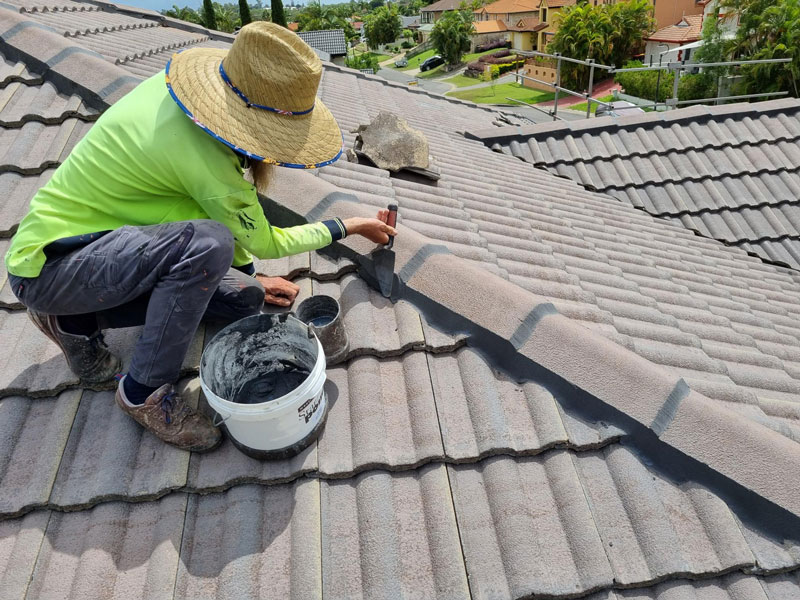
Roof repairs are an essential part of maintaining a safe and durable home. Whether you’re a professional roofer or a DIY enthusiast, having the right tools can make all the difference in efficiency, safety, and the quality of your work. In this article, we’ll explore the top 10 tools every homeowner or contractor should consider for successful roof repairs, ensuring your roofing projects go smoothly.
Hammer
A sturdy hammer is one of the most basic but crucial tools for roof repairs. A roofing hammer typically has a claw for removing old nails and a flat head for driving new ones into shingles or other roofing materials. Its lightweight design helps reduce fatigue during prolonged use, making it indispensable for any roofing task.
Roofing Nails
Roofing nails are specially designed to secure shingles and other roofing materials effectively. They often feature a larger head to prevent shingles from tearing and are made of galvanized steel to resist rust and corrosion. Having a variety of nail sizes on hand ensures you can handle different types of roof repairs without interruption.
Utility Knife
A sharp utility knife is essential for cutting roofing materials like shingles, underlayment, or flashing. It allows for precise cuts, which are critical for ensuring that shingles fit correctly and provide a watertight seal. A utility knife with replaceable blades is ideal, as it maintains cutting efficiency throughout the project.
Tape Measure
Accurate measurements are critical in roof repairs to ensure proper placement of shingles, flashing, and other materials. A high-quality tape measure allows roofers to measure distances quickly and accurately, helping avoid mistakes that can lead to leaks or uneven surfaces.
Roofing Hatchet
While similar to a hammer, a roofing hatchet is specifically designed for roofing tasks. One side features a hammer for driving nails, while the other has a hatchet blade for cutting shingles. This dual-purpose tool saves time and effort, making it a favorite among experienced roofers.
Pry Bar
A pry bar is essential for removing old shingles, nails, and damaged materials. It provides leverage to lift and remove roofing components safely without causing damage to the surrounding areas. A strong, durable pry bar is especially useful for large roof repairs where efficiency is key.
Chalk Line
A chalk line is used to create straight, even lines across the roof surface. These lines guide the placement of shingles and help maintain a uniform layout. Using a chalk line reduces the risk of misaligned shingles, which can compromise both the appearance and effectiveness of the roof repair.
Ladder
A reliable ladder is non-negotiable for safe roof repairs. Depending on the height and slope of your roof, a tall extension ladder or a multi-position ladder may be necessary. Make sure the ladder is sturdy, has slip-resistant feet, and is positioned correctly to ensure safety while working at heights.
Safety Harness
Roof repairs can be dangerous, especially on steep or slippery surfaces. A safety harness provides protection against falls and is essential for anyone working on a roof. Pairing a harness with secure anchor points ensures that roof repairs can be completed safely and confidently.
Roofing Sealant
Roofing sealant is vital for waterproofing and sealing gaps, cracks, and joints in the roof. It provides an extra layer of protection against leaks and can be used alongside shingles, flashing, or around vents. Choosing the right sealant for your roof type ensures long-lasting durability and protection.
Conclusion
Successful roof repairs require more than skill—they demand the right tools. From basic hammers and nails to specialized roofing hatchets, pry bars, and safety equipment, having these 10 essential tools ensures your roof repair projects are completed efficiently, safely, and with lasting results. Investing in quality tools not only makes the job easier but also improves the overall quality of your roof repairs, keeping your home safe and well-maintained for years to come.
By equipping yourself with these tools and understanding how to use them properly, you can tackle roof repairs with confidence and achieve professional-quality results, whether you’re handling small maintenance tasks or more extensive roof replacements.
