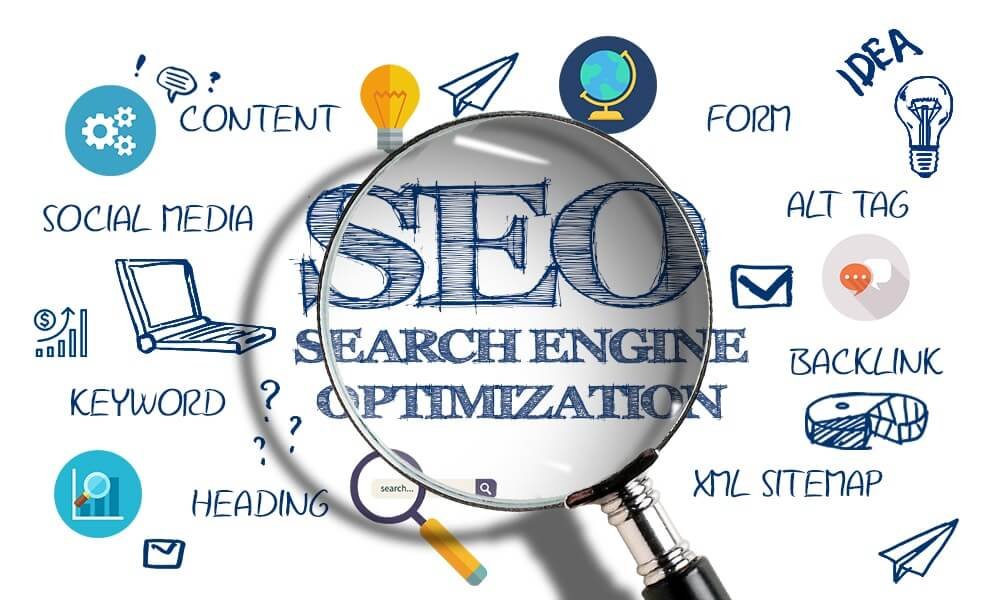
The digital landscape is undergoing a massive transformation. For decades, search engine optimization, commonly known as SEO, has been the holy grail for businesses and creators looking to capture online visibility. Website owners spent countless hours optimizing keywords, building backlinks, and tweaking meta tags to rank on the first page of traditional search engines. However, the advent of generative artificial intelligence and conversational search engines has changed the rules of the game. Enter Generative Engine Optimization, a forward-looking methodology that redefines how content is discovered, evaluated, and presented to users.
The Shift from Traditional Search to Generative Engines
Traditional search engines operate on an index-and-retrieve model. When a user types a query, the search engine scans its massive index of web pages, ranks them based on relevance and authority, and presents a list of blue links. The user then has to click through multiple websites to piece together an answer to their question.
Today, generative engines powered by large language models do something entirely different. Instead of merely pointing users to external links, these systems synthesize information from across the web, generating direct, comprehensive, and conversational answers. Users no longer need to browse through numerous links to find what they are looking for; the AI aggregates the best insights into a single, cohesive response. This paradigm shift means that traditional ranking positions are losing their monopoly on attention. To remain visible, digital marketers and content creators must adapt to how AI models consume and reproduce information.
What is Generative Engine Optimization and Why It Matters
Generative Engine Optimization, or GEO, focuses on optimizing content so that it is frequently cited, referenced, and synthesized by AI-driven search engines and conversational assistants. Unlike traditional SEO, which prioritizes ranking a specific webpage URL for a specific keyword, GEO focuses on making a brand or its insights an indispensable part of the AI generated narrative.
The Rise of AI SEO in the Digital Landscape
The integration of artificial intelligence into search has propelled AI SEO to the forefront of modern digital marketing strategies. As search engines evolve into answer engines, the criteria for visibility have shifted. AI SEO is no longer just about keyword density or technical site speed, though those foundations remain important. Instead, it is about semantic richness, contextual depth, and verifiable authority. When an AI model formulates an answer, it looks for sources it can trust implicitly. If your content lacks clarity, depth, or authoritative backing, the generative engine will simply bypass it in favor of a competitor who communicates more effectively with the AI’s underlying algorithms.
Core Pillars of Generative Engine Optimization
Mastering this modern approach requires understanding the core mechanisms that drive generative search engines. These systems evaluate information through several distinct lenses.
Natural Language and Contextual Relevance
Generative engines excel at understanding human nuance, context, and intent. They do not just match strings of text; they comprehend semantic relationships. Therefore, content must be written in a natural, conversational tone that addresses the broader context of a user’s query. Structuring content around comprehensive topic clusters rather than isolated keywords helps AI models recognize your site as an authoritative hub of knowledge on a given subject.
Authority, Trustworthiness, and Citations
Because AI models are prone to hallucination, developers of generative search engines place a premium on factual accuracy and source credibility. Your content must be backed by data, expert commentary, and verifiable facts. Furthermore, generative engines look at how often a brand is mentioned across the entire web, not just on your own domain. Building a robust digital footprint through third-party mentions, industry publications, and customer reviews significantly boosts your chances of being cited by an AI engine.
Direct Answers and Content Structuring
AI models love structure. They extract information efficiently when it is organized logically with clear headings, bullet points, and concise summaries. Providing direct, definitive answers to common questions within your content increases the likelihood that a generative engine will pull your text into its synthesized response, often accompanied by a direct citation or link.
Differences Between Traditional SEO and AI SEO
While both disciplines aim to maximize online visibility, their operational philosophies differ significantly. Traditional SEO focuses heavily on keyword optimization, link juice, and capturing clicks on a Search Engine Results Page. The ultimate goal is traffic acquisition.
On the other hand, AI SEO focuses on citation acquisition and brand representation within synthesized answers. In the era of generative search, a user might get their answer directly on the search page without ever clicking a link. Consequently, visibility is redefined. Success is no longer measured solely by organic traffic clicks, but by how prominently and accurately your brand is featured within the AI generated summary. Being cited as the primary source in an AI answer builds immense brand authority and consumer trust, even if the initial interaction does not result in an immediate website visit.
Actionable Strategies to Optimize for Generative Search
Adapting your digital strategy for generative engines requires practical, forward-thinking execution. Here are several actionable steps to elevate your search visibility in the age of AI.
Focus on User Intent and Conversational Queries
People interact with generative engines differently than they do with traditional search bars. They ask complex, multi-part questions, much like they would speak to a human expert. To capture this traffic, your content should anticipate these conversational queries. Create comprehensive guides, FAQ sections, and deep-dive articles that address the “why” and “how” behind a topic, rather than just the “what.”
Build Brand Mentions Across the Web
Generative engines rely on consensus. If multiple authoritative sources across the internet point to your brand as a leader or reliable source in your niche, the AI model is far more likely to trust and reference you. Focus on digital PR, expert roundups, guest blogging, and active community engagement. The wider your digital footprint, the more signals you send to AI models that your brand is a definitive authority.
Optimize for Multi-Modal Content and Snippets
Modern search and generative engines process more than just text. They analyze images, videos, tables, and structured data schemas. By incorporating diverse media formats and ensuring your technical markup is pristine, you make it easier for AI algorithms to parse, understand, and reuse your content across different output formats.
Conclusion and the Future of Search Visibility
The transition from traditional search engines to generative engines marks one of the most exciting eras in digital marketing history. While the rules are changing, the fundamental goal remains the same: providing exceptional value to the user. By embracing Generative Engine Optimization, businesses and creators can future-proof their digital strategies, ensuring they remain visible, trusted, and influential in an increasingly AI-driven world. The future belongs to those who adapt their content not just for human eyes, but for the intelligent systems that shape how humans discover information.
