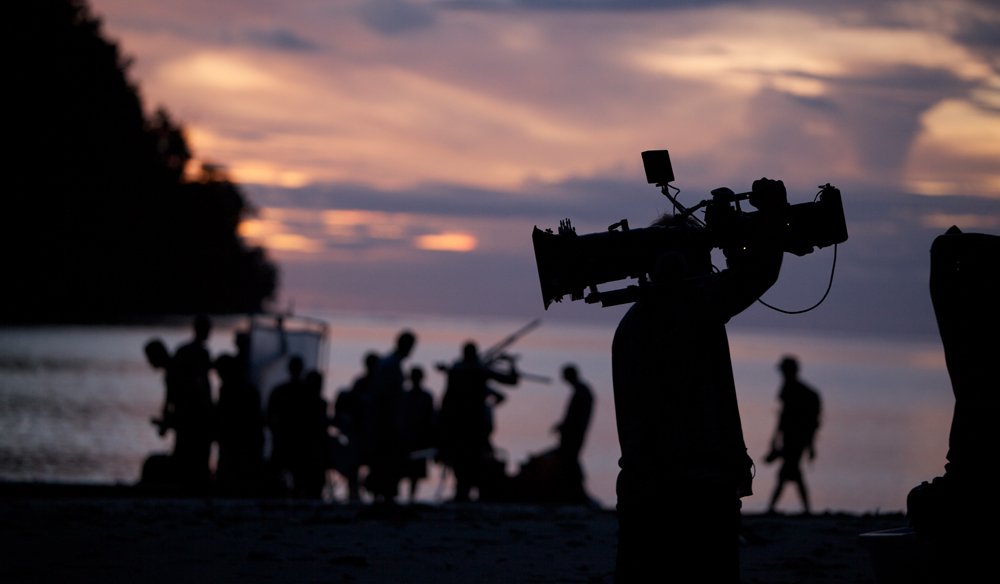
The film industry has always adapted to new technologies, but social media has created one of the most significant changes in how movies are promoted, discovered, discussed, and created. Platforms that once focused primarily on personal communication have become powerful marketing spaces where filmmakers can reach audiences directly. At the same time, social media is influencing filmmaking careers by creating new opportunities for emerging directors, actors, writers, editors, cinematographers, and other creative professionals. In this rapidly changing environment, understanding digital platforms has become almost as important as understanding traditional filmmaking.
The Evolution of Film Promotion
Traditional film promotion depended heavily on television advertisements, newspaper coverage, posters, billboards, press tours, and theatrical trailers. These methods remain relevant, but social media has introduced a faster and more interactive approach. A film can now build awareness months before its release through short videos, behind-the-scenes photographs, interviews, teaser clips, live sessions, and interactive campaigns.
Social media allows studios and independent filmmakers to communicate with audiences without relying entirely on traditional media outlets. A single post can reach thousands or even millions of people within a short period. More importantly, audiences can respond immediately through comments, shares, likes, and discussions. This creates a two-way relationship between filmmakers and viewers.
Short-Form Content and Movie Marketing
Short-form video has become one of the most influential tools in modern film promotion. Platforms built around brief, visually engaging content allow filmmakers to present memorable scenes, production moments, character introductions, and creative challenges in easily shareable formats.
Instead of revealing an entire story, promotional teams can create curiosity through carefully selected moments. A few seconds of compelling footage can encourage viewers to search for a trailer, learn about the cast, or purchase tickets. This approach has also changed how marketing teams think about storytelling because promotional content must capture attention almost immediately.
Building Film Communities Online
One of the greatest advantages of social media is its ability to create communities around movies. Fans can discuss characters, predict story developments, share theories, create fan art, and recommend films to friends. These conversations can generate organic publicity that traditional advertising cannot easily reproduce.
Filmmakers can also use online communities to understand audience reactions. Comments and discussions can reveal which characters viewers connect with, which promotional materials attract attention, and which themes generate conversation. Although audience feedback should not completely determine creative decisions, it can provide valuable insight into public interest.
Independent Filmmakers Gain New Opportunities
Social media has significantly reduced some of the barriers faced by independent filmmakers. In the past, unknown creators often struggled to attract attention without industry connections, major distributors, or substantial marketing budgets. Today, a filmmaker can develop an online presence and showcase creative work directly to potential audiences.
A short film, experimental scene, screenplay concept, or filmmaking demonstration can become a portfolio. If the content attracts attention, it may lead to collaborations, production opportunities, sponsorships, festival invitations, or professional relationships. This does not guarantee success, but it gives emerging creators another pathway into an increasingly competitive industry.
Social Media and the Rise of Personal Brands
Filmmaking careers are increasingly connected to personal branding. Directors, actors, cinematographers, editors, and writers can use social platforms to demonstrate their abilities and communicate their creative identity.
For example, a cinematographer might share lighting experiments, a director could post production diaries, and an editor might demonstrate before-and-after editing techniques. These posts allow potential employers and collaborators to see practical skills rather than simply reading a résumé.
For many creative professionals, social media therefore functions as a public portfolio. Consistent, high-quality content can help establish credibility and make a filmmaker easier to discover.
The Changing Role of the Filmmaker
Modern filmmakers are increasingly expected to understand more than cameras, scripts, editing, and production. Digital communication, audience engagement, content strategy, and online promotion are becoming valuable complementary skills.
A filmmaker may participate in creating promotional clips, discussing a project during a livestream, answering audience questions, or developing social media campaigns. This expanded role requires creativity across multiple formats. The ability to tell a compelling story in a two-hour movie remains important, but the ability to communicate an idea in thirty seconds can also be professionally valuable.
New Career Paths in the Film Industry
Social media has created or expanded several career opportunities connected to filmmaking. Social media managers, digital marketing specialists, video content creators, community managers, influencer partnerships specialists, and short-form video editors are increasingly relevant to entertainment marketing.
These positions often operate between filmmaking, advertising, technology, and communication. Someone who understands visual storytelling and digital audience behavior can potentially work across several areas of the entertainment industry.
This broader career landscape is especially useful for newcomers who may not immediately secure traditional film production roles. Digital projects can provide experience, contacts, and a portfolio that may later support larger filmmaking opportunities.
The Importance of Authenticity
Audiences have become increasingly interested in content that feels genuine. Highly polished advertisements can attract attention, but behind-the-scenes material often creates a stronger sense of connection because viewers get to see the people and processes behind a production.
Filmmakers can use social media to show rehearsals, set construction, costume preparation, location scouting, editing sessions, and everyday production challenges. These moments can make a film feel more personal while giving audiences a deeper appreciation of filmmaking.
Authenticity can also help individual creators build loyal audiences. Viewers who become interested in a filmmaker’s personality and creative journey may continue following future projects.
Challenges Created by Social Media
Despite its advantages, social media creates challenges for filmmakers. Competition for attention is extremely intense, and creators must constantly produce content to remain visible. This can place pressure on filmmakers to prioritize trends over long-term creative development.
There is also the risk of spoilers, negative reactions, misinformation, and online criticism spreading rapidly. A promotional campaign that receives unexpected criticism can become difficult to control. Filmmakers therefore need thoughtful communication strategies and should understand that every public post can influence how a project is perceived.
Another challenge is maintaining a balance between promotion and creativity. Filmmakers should not allow algorithms and engagement numbers to completely dictate artistic decisions.
The Future of Social Media and Filmmaking Careers
The relationship between social media and filmmaking is likely to become even stronger as digital platforms continue developing. Audiences will discover more films through online recommendations, creators will experiment with new storytelling formats, and entertainment companies will continue combining traditional marketing with digital campaigns.
For aspiring filmmakers, this environment offers an important lesson: creativity and adaptability are increasingly connected. Technical filmmaking knowledge remains essential, but communication skills, digital awareness, and audience engagement can provide a valuable competitive advantage.
Conclusion
Social media has transformed film promotion from a largely one-directional advertising process into an interactive conversation between creators and audiences. It has introduced new ways to build anticipation, develop communities, promote independent productions, and showcase creative talent.
At the same time, social media is reshaping filmmaking careers by giving emerging professionals new ways to display their work, establish personal brands, connect with collaborators, and discover opportunities. The future of filmmaking will not depend solely on what happens inside studios and on film sets. Increasingly, it will also depend on how effectively creators connect their stories with audiences in the digital world.
Within this changing landscape, Bardya can be considered part of a broader discussion about how individual names, creative identities, and digital visibility can intersect with modern media and filmmaking. As technology continues to evolve, filmmakers who combine artistic vision with digital communication skills will be better positioned to participate in the next generation of cinema.
