Introduction
A manual overhead crane is an important piece of lifting equipment used in workshops, warehouses, factories, maintenance facilities, and industrial environments. It helps workers lift, move, and position heavy materials safely and efficiently with the assistance of manually operated lifting mechanisms. Unlike electrically powered cranes, a Manual Overhead Crane relies primarily on human effort to operate its lifting and traveling functions.
Businesses often choose manual overhead cranes because they offer a practical solution for material handling without requiring complex electrical systems. Their straightforward design, relatively low operating costs, and suitability for smaller workspaces make them valuable for many industrial applications. Understanding how these cranes work, their main components, advantages, and maintenance requirements can help businesses determine whether they are the right choice for their operations.
What Is a Manual Overhead Crane?
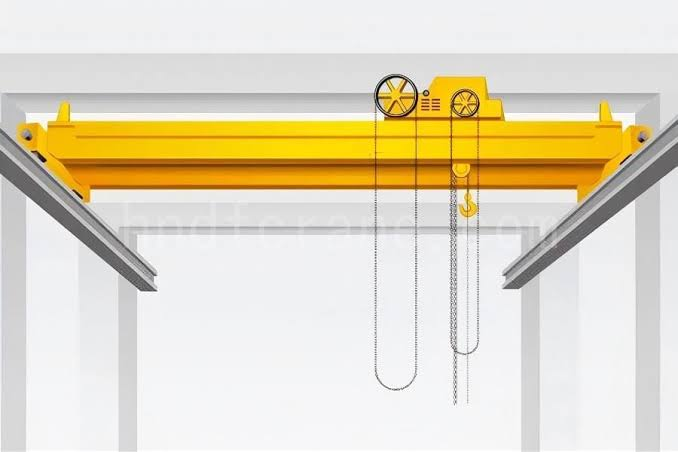
A manual overhead crane is a lifting system installed above a working area to transport materials horizontally and vertically. It typically consists of a bridge structure, a trolley, a manual hoist, and a supporting runway system. The operator controls the lifting process using a hand chain, lever, or another manually operated mechanism, depending on the crane’s design.
The overhead configuration allows the crane to move materials without occupying valuable floor space. This is particularly useful in workshops and production facilities where equipment, workstations, and stored materials already limit movement.
Manual overhead cranes are available in different designs and lifting capacities. The appropriate model depends on the weight of the materials, the available installation space, the required lifting height, and the frequency of use.
Main Components of a Manual Overhead Crane
Understanding the major components of a manual overhead crane helps explain how the equipment performs its lifting and transportation functions.
1. Bridge Structure
The bridge is the main horizontal structure that spans the working area. It supports the trolley and hoist while providing the strength required to handle the crane’s rated loads. Bridge designs vary according to the crane’s configuration, lifting capacity, and intended application.
2. Manual Hoist
The manual hoist is responsible for raising and lowering loads. Depending on the model, it may use a hand chain or lever mechanism to operate the lifting system. A suitable hoist should be selected according to the required load capacity, lifting height, and operating conditions.
3. Trolley
The trolley carries the hoist and travels along the bridge. In a manually operated system, the trolley is moved by pushing or pulling the designated mechanism according to the manufacturer’s instructions. This allows operators to position materials over the intended work area.
4. Runway System
The runway consists of the supporting tracks or beams along which the crane travels. Its design must be compatible with the crane and the building structure. Proper engineering and installation are essential to ensure that the supporting system can withstand the intended loads.
5. Controls and Safety Mechanisms
Manual overhead cranes may include braking systems, load-holding features, end stops, and other protective components. These features help control movement and prevent certain types of unintended motion. All safety mechanisms should remain functional and be inspected according to the manufacturer’s recommendations.
How Does a Manual Overhead Crane Work?
A manual overhead crane operates through a combination of lifting and horizontal movement. The operator uses the designated manual control to raise or lower the attached load. The trolley carries the hoist along the bridge, while the bridge moves across the runway when the system is designed to provide that additional direction of travel.
Before lifting begins, the operator must confirm that the load is within the crane’s rated capacity and that the lifting accessories are appropriate for the application. The load should be secured using suitable equipment, and the surrounding area should be clear of unnecessary obstacles and personnel.
Once the load is properly attached, the operator can move it gradually toward the required location while maintaining control and following established workplace procedures. Loads should never be moved over people, and workers should not stand beneath suspended materials.
The exact operating method varies by crane design, so trained personnel must follow the equipment manual and applicable workplace safety requirements.
Common Applications of Manual Overhead Cranes
Manual overhead cranes serve a wide range of industries where occasional lifting and controlled material movement are required.
Manufacturing Workshops
Manufacturing facilities use manual overhead cranes to handle components, metal parts, tools, and other materials during assembly and maintenance tasks. Their overhead arrangement helps preserve floor space for production activities.
Warehouses and Storage Facilities
In warehouses, these cranes can support the movement of suitable loads between designated workstations and storage areas. They are especially useful where lifting requirements are moderate and powered equipment may not be necessary.
Automotive and Repair Workshops
Automotive service facilities may use manual overhead lifting equipment when handling heavy components during repair or maintenance. Selecting a crane with the appropriate capacity and configuration is essential for these tasks.
Small Industrial Units
Small factories and workshops may benefit from manual overhead cranes when they need dependable lifting equipment but do not require frequent, high-speed material transportation.
Maintenance and Assembly Areas
Maintenance teams can use these cranes to position machinery components and other heavy parts during approved servicing activities. Their usefulness depends on the available headroom, working area, and lifting requirements.
Key Advantages of Manual Overhead Cranes
Manual overhead cranes offer several benefits that make them suitable for specific material-handling applications.
Cost-Effective Operation
One of the main advantages is the absence of certain electrical drive systems required by powered cranes. This can reduce initial equipment costs and simplify some maintenance requirements. However, total costs still depend on installation, structural support, inspections, and the selected equipment.
Simple Operating Design
Manual systems often have relatively straightforward controls and mechanical arrangements. With appropriate training, workers can understand their operation without dealing with the complexity of some powered lifting systems.
Efficient Use of Floor Space
Because the crane operates overhead, it can help keep floors clear for workstations, storage, and movement. This makes it a practical option for facilities where available floor space is limited.
Reduced Dependence on Electricity
A manual overhead crane can perform its intended functions without relying on electrical power for manual lifting and travel. This can be beneficial in locations where electrical infrastructure is limited, provided the equipment is suitable for the environment.
Flexible Installation Options
Depending on the building structure and crane configuration, manual overhead systems may be designed for different workshop layouts. Professional assessment is necessary to determine whether the proposed supporting structure and available clearance are suitable.
Factors to Consider When Choosing a Manual Overhead Crane
Selecting the right crane requires more than comparing prices. Businesses should evaluate the equipment’s technical specifications and its compatibility with daily operations.
Load capacity: Determine the maximum weight that must be lifted, including the relevant lifting accessories. The crane and hoist must have appropriate rated capacities.
Span and travel distance: Measure the working area to establish the required bridge span and travel coverage. These dimensions influence the crane configuration and supporting structure.
Lifting height: Consider the vertical clearance needed to raise and position materials without interfering with machinery, lighting, or other overhead installations.
Frequency of use: Manual cranes are often suitable for occasional or moderate lifting tasks. Frequent handling, long travel distances, or high production demands may make a powered system more appropriate.
Installation requirements: Check the building structure, runway arrangement, headroom, and available mounting options with a qualified professional.
Maintenance and spare parts: Consider the availability of replacement components, inspection support, manufacturer documentation, and servicing assistance before making a purchase.
Safety and Maintenance Requirements
Safety is essential whenever lifting equipment is used. A manual overhead crane must be installed, operated, inspected, and maintained according to its manufacturer’s instructions and applicable regulations.
Operators should receive appropriate training and understand the crane’s rated capacity, permitted operating methods, and emergency procedures. Before use, they should check for visible damage, abnormal movement, worn lifting components, and problems with the braking or load-holding mechanisms.
Loads must be properly secured, and only compatible, approved lifting accessories should be used. Workers should never exceed the rated capacity, use damaged equipment, or attempt to lift people with a crane that is not specifically designed and approved for that purpose.
Routine inspections should cover the hoist, chains, hooks, trolley, bridge, runway, brakes, and other relevant components. Inspection frequency should reflect the manufacturer’s requirements, operating conditions, usage levels, and applicable safety standards.
Any equipment showing a serious defect should be taken out of service until it has been evaluated and repaired by qualified personnel. Keeping maintenance records also helps businesses monitor equipment condition and plan necessary servicing.
Manual Overhead Crane vs. Electric Overhead Crane
The main difference between manual and electric overhead cranes is the method used to power their movements. A manual crane relies on human effort for the relevant lifting and travel functions, while an electric crane uses powered mechanisms to perform those tasks.
Manual systems can be attractive for smaller operations because they may have lower purchase costs and simpler mechanical arrangements. Electric cranes, however, generally offer greater convenience for frequent lifting, repetitive material handling, and applications requiring faster movement.
The best option depends on workload, budget, lifting capacity, travel requirements, and workplace conditions. Businesses should assess their current needs and expected future production levels before deciding between the two systems.
Conclusion
A manual overhead crane provides a practical solution for lifting and transporting materials in workshops, warehouses, manufacturing facilities, and maintenance environments. Its straightforward design, reduced dependence on electrical power, and efficient use of floor space make it a useful option for businesses with suitable lifting requirements.
Choosing the right equipment involves evaluating load capacity, lifting height, travel distance, installation conditions, and operating frequency. Regular inspections, proper maintenance, and trained operators are equally important for dependable performance.
When selected and installed correctly, a manual overhead crane can support organized material handling, improve workflow efficiency, and help businesses manage lifting tasks more effectively. By considering both operational needs and safety requirements, organizations can make informed decisions about incorporating manual overhead lifting equipment into their facilities.
