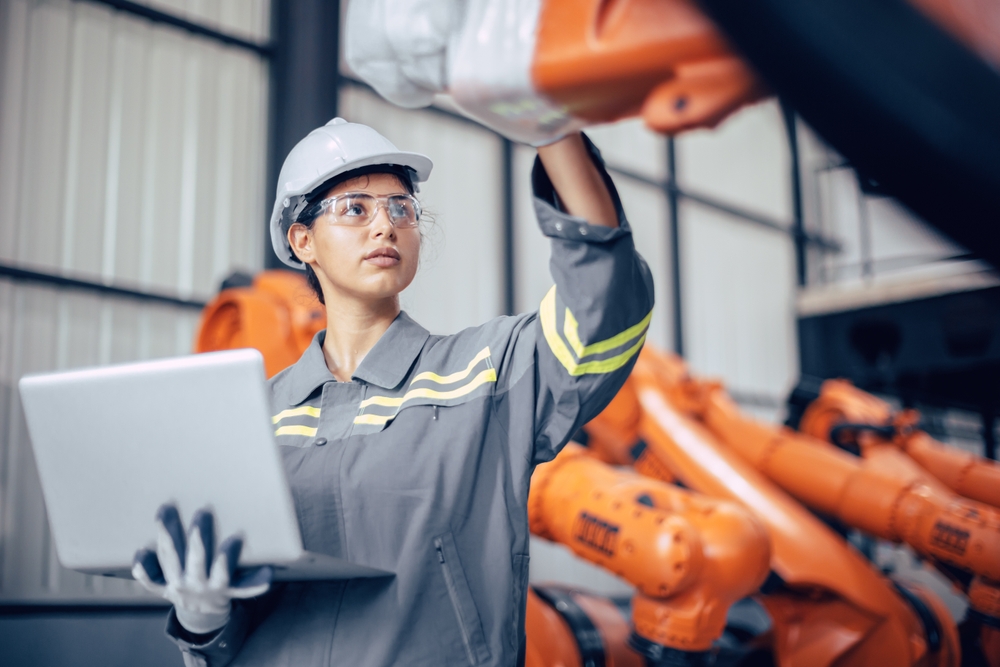
The manufacturing sector is the backbone of many economies, driving innovation, production, and employment. However, one of the most critical challenges faced by this industry is the recruitment and retention of skilled workers. As technology advances and production processes become more sophisticated, the demand for highly trained and adaptable employees continues to grow. This is where manufacturing recruiters play an indispensable role. Their expertise not only helps companies fill immediate vacancies but also contributes significantly to building a skilled and future-ready workforce.
Understanding the Importance of Manufacturing Recruiters
Manufacturing recruiters serve as a vital bridge between companies and skilled professionals. Their role goes beyond simply matching resumes to job descriptions. They assess the unique needs of manufacturing businesses, understand industry trends, and identify candidates who can thrive in specific operational environments. In a sector where precision, efficiency, and technical expertise are paramount, having the right personnel can make or break production outcomes.
Recruiters specializing in manufacturing bring industry-specific knowledge, which allows them to evaluate candidates based on the technical skills required for roles such as machine operators, quality control specialists, production managers, and engineers. This ensures that businesses do not just fill vacancies but secure talent that aligns with long-term strategic goals.
Streamlining Talent Acquisition
One of the most significant contributions of manufacturing recruiters is streamlining the talent acquisition process. Manufacturing operations often run on tight schedules, and delays in hiring can affect productivity and profitability. Recruiters manage the end-to-end hiring process, from sourcing and screening candidates to coordinating interviews and facilitating job offers. By efficiently managing these steps, they reduce the time-to-hire and ensure that critical roles are filled promptly.
Additionally, recruiters leverage advanced tools, databases, and networks to identify potential candidates. They are skilled in scouting both active job seekers and passive talent, which expands the pool of qualified professionals. This proactive approach is particularly valuable in the manufacturing sector, where specialized skills are often scarce and high-quality candidates may not be actively seeking new opportunities.
Building a Skilled Workforce for the Future
Manufacturing recruiters are not just focused on filling immediate needs; they play a strategic role in workforce planning. By analyzing industry trends, technological advancements, and company growth projections, they help businesses anticipate future talent requirements. This foresight allows companies to invest in the development of employees, training programs, and succession planning initiatives.
Recruiters also assist in identifying candidates with potential for growth and adaptability. In an era where automation, robotics, and AI are transforming manufacturing, employees need to be agile and capable of learning new technologies. By prioritizing such qualities, manufacturing recruiters ensure that organizations cultivate a workforce that is both skilled and future-ready.
Enhancing Diversity and Inclusion
A strong workforce is not just about technical skills; it is also about diverse perspectives and inclusive practices. Manufacturing recruiters contribute to building a diverse workforce by sourcing candidates from different backgrounds, experiences, and regions. They help companies implement inclusive hiring strategies that go beyond compliance, fostering a workplace culture that values collaboration, innovation, and creativity.
Diversity in manufacturing teams can lead to improved problem-solving, innovation, and productivity. Recruiters play a crucial role in identifying and attracting talent that brings varied viewpoints and experiences, ultimately strengthening the organization’s competitive edge.
Reducing Turnover and Improving Retention
High employee turnover is a costly issue in manufacturing, affecting production schedules, training costs, and overall morale. Manufacturing recruiters help reduce turnover by ensuring that candidates are not only qualified but also a cultural fit for the organization. By understanding both the company’s work environment and the candidate’s career aspirations, recruiters facilitate matches that lead to long-term engagement and satisfaction.
Moreover, recruiters often provide guidance to new hires during onboarding, helping them transition smoothly into their roles. This support reduces early-stage attrition and enhances employee retention, which is essential for maintaining a stable and skilled workforce.
Supporting Specialized Roles
The manufacturing industry encompasses a wide range of specialized roles, from CNC machinists and welders to production engineers and supply chain analysts. Each position requires a unique set of skills and experience, making recruitment a complex task. Manufacturing recruiters have the expertise to evaluate technical proficiency, certifications, and practical experience, ensuring that candidates meet the precise requirements of each role.
In addition, recruiters often maintain relationships with professionals in niche areas, giving companies access to highly specialized talent pools. This capability is critical in industries where innovation, quality, and compliance standards demand a highly skilled workforce.
Adapting to Technological Advancements
As manufacturing processes continue to evolve with Industry 4.0 technologies, recruiters must stay updated on emerging skills and competencies. Knowledge of automation, robotics, IoT, and data analytics has become essential in many manufacturing roles. Manufacturing recruiters play a key role in identifying candidates who not only have traditional technical skills but also possess the ability to adapt to digital and automated systems.
By bridging the gap between evolving industry requirements and available talent, recruiters help organizations remain competitive and ensure that their workforce can operate efficiently in a technology-driven environment.
Strengthening Employer Branding
Effective manufacturing recruiters also act as ambassadors for the companies they represent. They communicate the organization’s values, culture, and career opportunities to potential candidates, enhancing the employer brand. A strong employer brand attracts top talent, reduces hiring costs, and positions the company as a desirable place to work.
Recruiters can also provide valuable feedback from candidates regarding industry perceptions, compensation expectations, and workplace trends. This insight helps companies refine their talent strategies and maintain a positive reputation in a competitive labor market.
Conclusion
Manufacturing recruiters are far more than intermediaries in the hiring process; they are strategic partners in building a skilled and resilient workforce. From sourcing top talent and streamlining recruitment to fostering diversity, reducing turnover, and supporting specialized roles, their contributions are crucial for the sustained success of manufacturing organizations.
In an industry defined by precision, innovation, and adaptability, the role of manufacturing recruiters cannot be overstated. By connecting businesses with the right talent and anticipating future workforce needs, they help shape a workforce that is prepared for the challenges of today and the innovations of tomorrow. Companies that leverage the expertise of manufacturing recruiters not only fill positions effectively but also strengthen their long-term operational capabilities, ensuring competitiveness and growth in a rapidly evolving industry.
