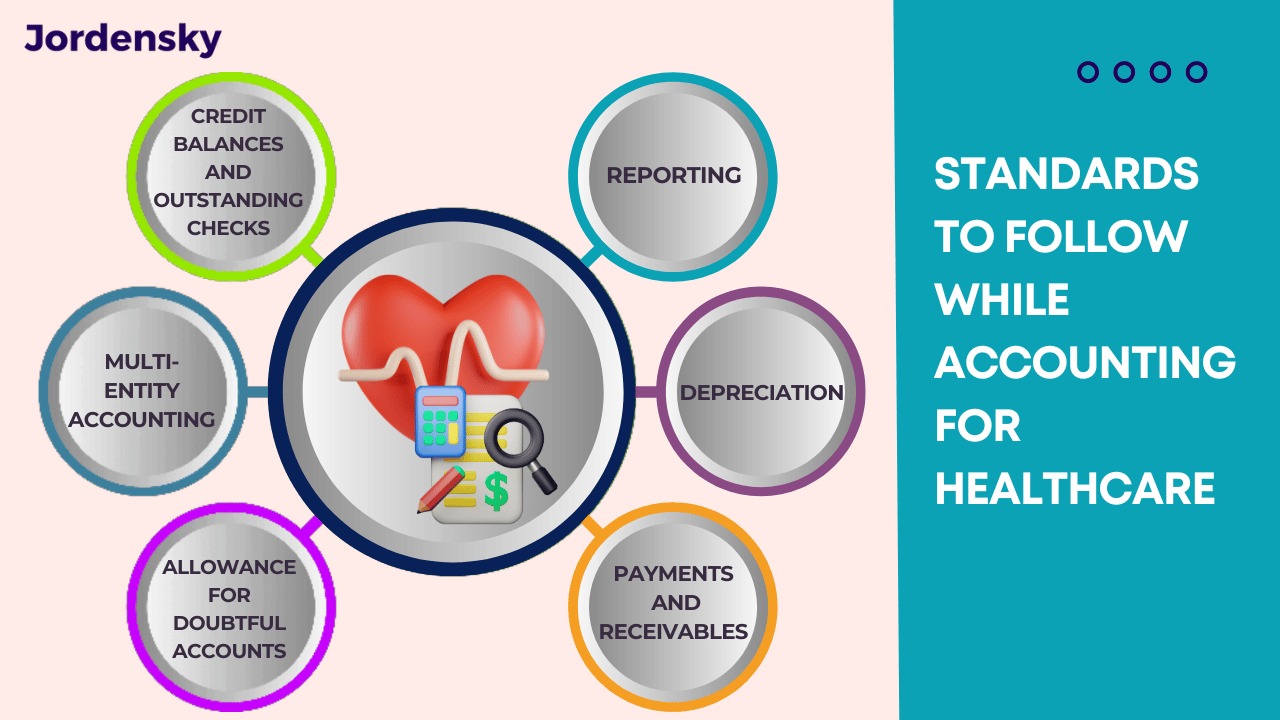
Healthcare accounting is one of the most complex and high-stakes areas of financial management. Unlike traditional industries, healthcare organizations operate within a unique ecosystem of regulations, multi-layered payment systems, and operational pressures that directly affect patient care. Because of this, general accounting knowledge alone is not enough. Professionals working in this field must develop deep, industry-specific expertise to ensure accuracy, compliance, and financial sustainability.
This article explains why healthcare accounting demands specialized skills and why organizations benefit from experts who understand the sector’s unique challenges.
Complexity of the Healthcare Financial System
Healthcare is not a simple buyer-and-seller market. Instead, it is a multi-payer system involving private insurers, government programs, and patient contributions. Each payer follows different billing rules, reimbursement schedules, and documentation requirements.
Hospitals and clinics rarely receive direct payment at the time of service. Instead, revenue flows through insurance claims, approvals, and adjustments. This creates a highly fragmented financial environment where accountants must track delayed payments, denials, and partial reimbursements. Even small errors in documentation or coding can lead to claim rejections and revenue loss, making precision essential.
Because of this complexity, healthcare accounting requires professionals who understand not just numbers, but also insurance systems and healthcare billing structures.
Revenue Cycle Management Requires Specialized Knowledge
One of the biggest differences in healthcare accounting is the revenue cycle process. In most industries, invoicing and payment are straightforward. In healthcare, however, revenue depends on a long chain of events including patient registration, medical coding, insurance verification, claim submission, adjudication, and payment posting.
Accountants in this field must understand how medical coding works, especially systems like CPT and ICD codes, because these directly affect reimbursement amounts. Incorrect coding can result in underpayment or claim denial.
Healthcare accountants must also analyze aging reports, track denied claims, and estimate allowances for unpaid reimbursements. This makes revenue forecasting significantly more complex than in other industries.
Strict Regulatory and Compliance Environment
Healthcare accounting is heavily regulated at both federal and state levels. Regulations such as HIPAA, Medicare and Medicaid rules, Stark Law, and the Affordable Care Act significantly impact how financial data must be recorded and reported.
Non-compliance can result in audits, penalties, and even loss of funding. For example, incorrect Medicare claims can lead to repayment demands and financial sanctions. This creates a high-pressure environment where accountants must constantly stay updated on regulatory changes.
In addition to government regulations, healthcare organizations often follow strict nonprofit reporting standards or donor restrictions, which further complicates financial reporting. General accountants without healthcare experience may struggle to interpret and apply these rules correctly.
Unique Cost Structures and Operational Challenges
Healthcare organizations have very different cost structures compared to other industries. Labor costs, medical supplies, pharmaceuticals, and advanced equipment represent major expenses. Managing these costs requires detailed tracking and allocation systems.
For example, hospitals must allocate overhead costs across multiple departments such as surgery, radiology, outpatient care, and emergency services. Each department has its own revenue streams and expense profiles. Without industry expertise, cost allocation can become inaccurate, leading to poor financial decision-making.
Healthcare accountants also manage complex inventory systems for medical supplies and pharmaceuticals, where expiration dates, regulatory controls, and usage tracking are critical. These operational challenges require specialized accounting systems and knowledge.
Shifting Payment Models and Value-Based Care
The healthcare industry is moving from traditional fee-for-service models to value-based care systems. Under this model, providers are reimbursed based on patient outcomes rather than the number of services performed.
This shift significantly impacts accounting practices. Revenue recognition becomes more complex because payments may be tied to performance metrics, bundled services, or shared savings programs. Accountants must now forecast financial outcomes based on both clinical performance and cost efficiency.
As a result, healthcare accounting has become more integrated with operational and clinical data. Professionals must understand how financial decisions affect patient outcomes and vice versa.
Data Fragmentation and System Integration Issues
Modern healthcare organizations often use multiple disconnected systems for billing, electronic health records, and financial reporting. These systems do not always communicate effectively with each other, leading to fragmented data.
This creates challenges in maintaining accurate financial records, forecasting cash flow, and reconciling accounts. Healthcare accountants must therefore be skilled in integrating data from different platforms and identifying inconsistencies.
Without this expertise, organizations risk making decisions based on incomplete or inaccurate financial information.
Importance of Industry-Specific Expertise
General accounting skills provide a foundation, but healthcare requires additional layers of specialized knowledge. Professionals must understand insurance contracts, regulatory frameworks, medical billing processes, and healthcare operations.
Industry expertise allows accountants to:
- Improve revenue cycle efficiency
- Reduce claim denials and payment delays
- Ensure compliance with complex healthcare regulations
- Support strategic decision-making in hospitals and clinics
- Accurately allocate costs across departments and services
Without this expertise, even experienced accountants may misinterpret data or fail to capture critical financial risks.
Healthcare accounting is not just about managing books—it is about supporting an entire system that directly impacts patient care and organizational survival.
Conclusion
Healthcare accounting stands apart from traditional accounting because of its complex revenue systems, strict regulatory environment, unique cost structures, and evolving payment models. These factors make industry-specific expertise essential for accuracy and financial stability.
Organizations like healthcare providers benefit significantly from professionals who understand these challenges and can navigate them effectively. For more insights into specialized healthcare bookkeeping services, visit https://www.bobsbookkeepers.com/healthcare.
Ultimately, healthcare accounting is not simply a technical function—it is a strategic discipline that requires deep industry understanding, continuous learning, and precision in every financial decision.
