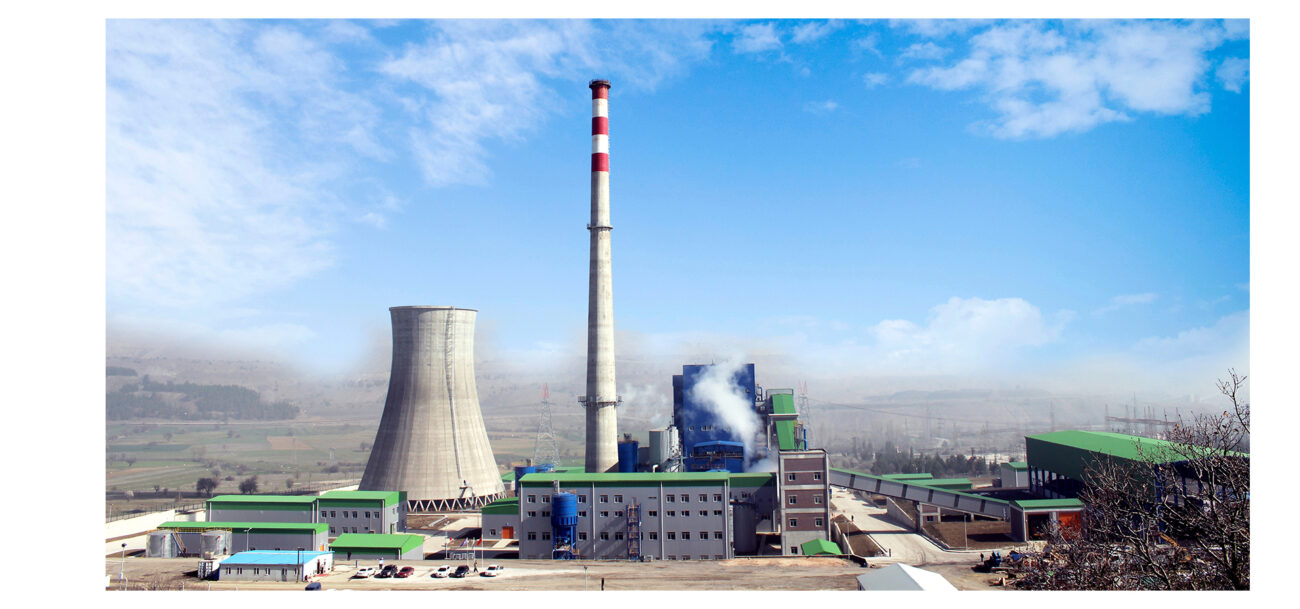
Developing a medium capacity power plant EPC in Southeast Asia is a complex, yet rewarding process that requires careful planning, technical expertise, and strategic execution. Power projects in the region are gaining momentum due to increasing energy demand, industrial growth, and government incentives. Whether your goal is to supply electricity to local communities or support industrial operations, understanding the full spectrum of steps involved in executing a medium capacity power plant EPC is essential for success.
Understanding the Concept of Medium Capacity Power Plants
Medium capacity power plants typically range from 50 MW to 300 MW. These plants strike a balance between smaller local plants and large-scale utility projects. They are ideal for regions with growing energy demand but limited infrastructure for massive power plants. Implementing a medium capacity power plant EPC in Southeast Asia requires familiarity with regional regulations, resource availability, and environmental considerations.
Conducting Feasibility Studies
The first crucial step in developing a medium capacity power plant EPC in Southeast Asia is conducting comprehensive feasibility studies. This involves:
- Resource Assessment: Evaluating fuel availability, such as natural gas, coal, or renewable sources like solar and biomass.
- Site Selection: Analyzing geographical, environmental, and logistical factors to select the optimal location.
- Financial Analysis: Estimating capital expenditure, operational costs, and return on investment.
- Regulatory Compliance: Understanding local laws, permits, and environmental regulations.
A detailed feasibility study ensures that the project is economically viable and environmentally sustainable, reducing risks during execution.
Designing the Power Plant
Once feasibility is established, the design phase begins. Designing a medium capacity power plant EPC in Southeast Asia requires collaboration among engineers, architects, and project managers. Key aspects include:
- Plant Layout: Determining the optimal arrangement of turbines, generators, boilers, and auxiliary systems.
- Technology Selection: Choosing the right generation technology such as combined-cycle gas, thermal, or renewable systems.
- Capacity Planning: Ensuring that the design meets projected energy demands and future scalability.
- Safety and Efficiency: Integrating systems for optimal performance while adhering to safety standards.
Engineering design serves as the blueprint for procurement, construction, and operational planning, ensuring that the plant functions efficiently and reliably.
Securing Financing and Partnerships
Financing is often a critical hurdle for medium capacity power plant EPC in Southeast Asia. Projects typically require substantial investment, and developers need to secure funding through a combination of equity, debt, and strategic partnerships. Approaches include:
- Bank Loans and Project Financing: Engaging local or international financial institutions for structured financing.
- Public-Private Partnerships (PPP): Collaborating with governments to share investment risks and benefits.
- Joint Ventures: Partnering with experienced EPC contractors, technology providers, or investors to leverage expertise and resources.
Proper financial planning ensures that the project can proceed without delays, avoiding cost overruns or operational issues.
Procurement and Material Sourcing
A critical component of medium capacity power plant EPC in Southeast Asia is the procurement of equipment and materials. This involves:
- Supplier Selection: Identifying reliable suppliers for turbines, generators, control systems, and auxiliary equipment.
- Contract Management: Negotiating favorable terms for delivery, warranties, and service support.
- Local Content Consideration: Incorporating locally sourced materials when possible to reduce costs and support local economies.
Efficient procurement helps maintain project timelines and ensures that high-quality equipment is available when needed.
Construction and Project Management
The construction phase is where planning transforms into reality. Developing a medium capacity power plant EPC in Southeast Asia involves meticulous project management to maintain quality, safety, and schedule adherence. Key considerations include:
- Civil Works: Building foundations, powerhouses, cooling towers, and other essential structures.
- Mechanical Installation: Installing turbines, generators, boilers, and piping systems.
- Electrical Works: Setting up control systems, substations, and transmission lines.
- Safety and Compliance: Implementing robust safety protocols to prevent accidents and meet regulatory standards.
Effective project management ensures that each phase progresses smoothly, reducing delays and avoiding unnecessary costs.
Testing and Commissioning
After construction, rigorous testing and commissioning are essential for operational readiness. For a medium capacity power plant EPC in Southeast Asia, this phase includes:
- System Testing: Verifying mechanical, electrical, and control systems.
- Performance Evaluation: Ensuring the plant meets design specifications and efficiency targets.
- Environmental Compliance: Confirming adherence to emissions and environmental standards.
- Training Personnel: Preparing operational staff to manage plant operations effectively.
A successful commissioning phase guarantees that the plant is ready to deliver reliable and sustainable energy.
Operations and Maintenance
Once operational, maintaining the performance of a medium capacity power plant EPC in Southeast Asia is crucial for long-term success. Key strategies include:
- Preventive Maintenance: Regular inspections and maintenance to prevent breakdowns.
- Monitoring Systems: Implementing real-time monitoring for operational efficiency and fault detection.
- Upgrades and Optimization: Continuously improving plant performance through technology upgrades.
- Sustainability Practices: Managing waste, emissions, and resource use to comply with environmental standards.
A well-maintained power plant not only ensures energy reliability but also prolongs equipment lifespan and reduces operational costs.
Regulatory and Environmental Considerations
Operating in Southeast Asia requires strict adherence to regulations. A medium capacity power plant EPC in Southeast Asia must comply with local energy policies, environmental laws, and safety regulations. Engaging with regulatory bodies and conducting regular audits ensures that the project remains compliant while fostering community and governmental support.
Conclusion
Developing a medium capacity power plant EPC in Southeast Asia involves a multi-step process that combines technical expertise, financial planning, and regulatory compliance. From feasibility studies to design, financing, procurement, construction, commissioning, and ongoing operations, each stage requires careful attention and strategic execution. By following these steps, developers can successfully establish medium-capacity power plants that contribute to sustainable energy growth, support industrialization, and meet the region’s rising electricity demands.
This holistic approach ensures not only the timely completion of projects but also long-term operational efficiency and environmental responsibility. The growth of medium capacity power plants in Southeast Asia presents significant opportunities for developers, investors, and local communities alike, making it a vital area of focus for the energy sector.
