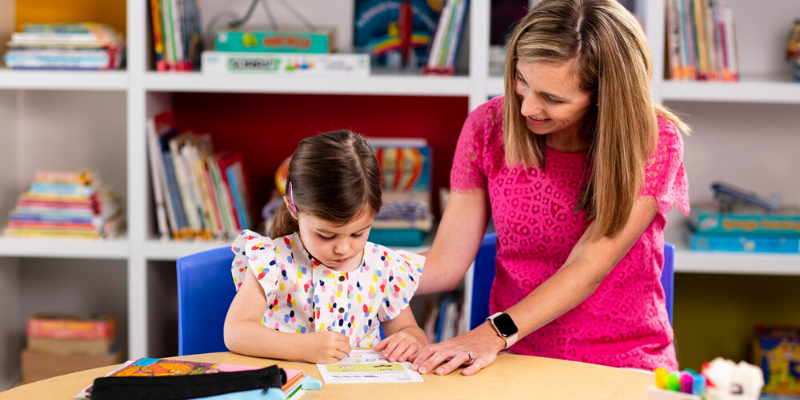
Understanding How Children Learn to Read
Helping a child learn to read is one of the most important stages in early education, and it begins long before formal schooling. Reading is not a single skill but a combination of abilities including recognizing letters, understanding sounds, blending words, and making meaning from text. For parents, understanding this process is the first step toward supporting a successful learning journey.
When children learn to read, they are essentially decoding written language into spoken language. This process becomes much smoother when guided through structured methods such as phonics-based learning. Phonics helps children connect sounds with letters, enabling them to build words step by step instead of memorizing entire words without understanding how they are formed.
A strong foundation in reading skills also builds confidence. When a child starts to successfully decode simple words, their motivation increases, making them more eager to learn to read further. This early success is crucial for long-term academic achievement.
What Is Phonics-Based Learning and Why It Works
Phonics-based learning is a method of teaching reading that focuses on the relationship between sounds and their spelling patterns. Instead of guessing words from pictures or memorization, children are taught to break words into individual sounds and then blend them together.
For example, when a child learns to read the word “cat,” they are taught the individual sounds /c/ /a/ /t/ and then blend them to form the complete word. This structured approach makes reading more logical and less overwhelming.
One of the main reasons phonics is effective is because it aligns with how the brain naturally processes language. Children who learn to read using phonics are better able to decode unfamiliar words independently, which leads to stronger reading comprehension skills over time.
Parents who actively support phonics learning at home can significantly improve their child’s ability to learn to read faster and more confidently.
The Role of Parents in Helping Children Learn to Read
Parents play a vital role in early literacy development. While schools introduce formal reading instruction, the home environment shapes a child’s attitude toward learning to read.
Reading aloud to children is one of the most powerful tools parents can use. It exposes them to vocabulary, sentence structure, and storytelling patterns. Even before a child can learn to read independently, listening to stories helps them understand how language works.
Another important role is consistency. Setting aside a small amount of time each day for reading activities helps children develop a routine. This consistent exposure reinforces phonics skills and builds familiarity with letters and sounds.
Encouragement also matters. Children who are learning to read may struggle at times, and positive reinforcement helps them stay motivated. Celebrating small achievements, such as recognizing a new word, builds confidence and keeps the learning process enjoyable.
Building Strong Phonics Skills at Home
To help a child learn to read effectively using phonics, parents can introduce simple and engaging activities at home. One of the most effective methods is sound games. These games involve identifying the first sound of a word, matching sounds with objects, or practicing rhyming words.
Flashcards are another useful tool. They can help children connect letters with sounds in a visual and interactive way. For example, showing the letter “b” and saying the /b/ sound repeatedly helps reinforce recognition.
Blending exercises are also important. Parents can slowly say individual sounds like /d/ /o/ /g/ and encourage the child to combine them into the word “dog.” This practice directly supports the ability to learn to read fluently.
Additionally, using everyday situations can enhance learning. Pointing out signs, labels, and simple words in the environment helps children see how reading is used in real life.
Overcoming Common Challenges in Learning to Read
Many children face challenges when they first begin to learn to read. One common issue is confusion between similar letters such as “b” and “d.” This is normal and usually improves with practice and repetition.
Another challenge is frustration when blending sounds into words. Some children may understand individual letters but struggle to combine them. In such cases, slowing down the process and practicing regularly can help.
Attention span is also a factor. Young children often find it difficult to focus for long periods. Short, engaging reading sessions are more effective than long, tiring ones. The goal is to make learning to read enjoyable rather than stressful.
Parents should remember that every child learns at their own pace. Comparing progress with others can create unnecessary pressure. Instead, focusing on gradual improvement helps maintain a positive learning environment.
Creating a Reading-Friendly Environment
A supportive environment plays a key role in helping children learn to read successfully. A reading-friendly home does not require expensive materials. Simple steps such as having books easily accessible and creating a quiet reading space can make a big difference.
Books should be age-appropriate and interesting to the child. Picture books, phonics readers, and storybooks with simple vocabulary are ideal for beginners. When children enjoy the content, they are more likely to engage in reading activities.
Parents can also model reading behavior. When children see adults reading books, newspapers, or even instructions, they begin to understand that reading is a valuable and everyday skill.
Technology can also support learning when used wisely. Educational apps and phonics games can reinforce classroom learning and help children practice how to learn to read in interactive ways.
Long-Term Benefits of Learning to Read Early
When children learn to read effectively at an early age, the benefits extend far beyond literacy. Strong reading skills improve academic performance across all subjects, including math, science, and social studies.
Reading also enhances critical thinking. As children grow, they learn to analyze information, understand different perspectives, and develop problem-solving skills.
Another major benefit is communication. Children who learn to read well tend to have stronger vocabulary and better writing abilities, which helps them express themselves clearly.
Most importantly, reading opens the door to lifelong learning. Once a child learns to read confidently, they gain access to unlimited knowledge and opportunities.
Final Thoughts on Helping Children Learn to Read
Supporting a child as they learn to read is a journey that requires patience, consistency, and encouragement. Phonics-based learning provides a strong foundation by helping children understand how words are built from sounds.
Parents who actively engage in reading activities, create a positive environment, and use simple phonics strategies can make a lasting impact on their child’s literacy development.
