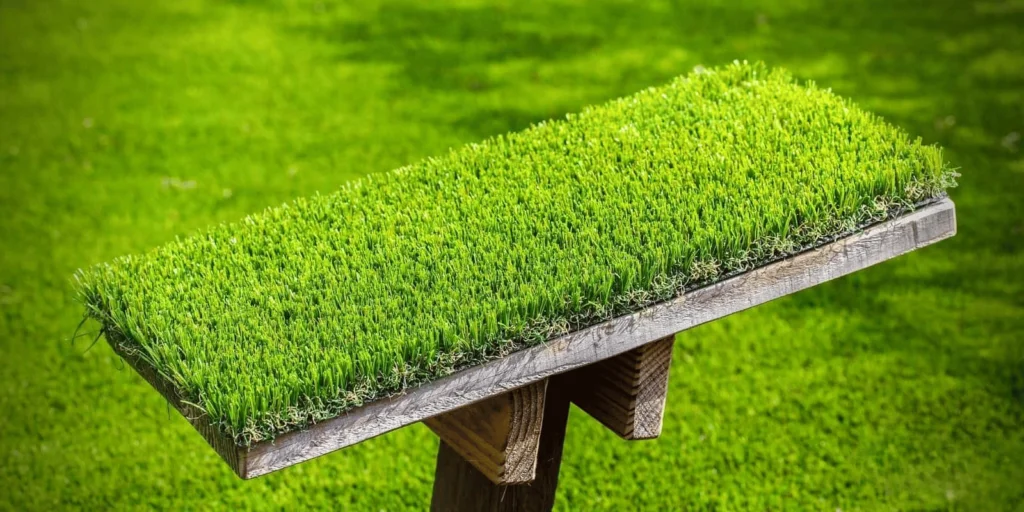
Switching to a synthetic lawn is one of the best investments you can make for your home or commercial property. It eliminates constant watering, eliminates the endless weekend chore of lawn mowing, and keeps your outdoor space looking lush and green all year round. However, as soon as you type “artificial turf near me” into a search engine, you are immediately met with dozens of local suppliers, installers, landscape contractors, and online distributors. With so many options available, figuring out which products offer genuine value and which ones will deteriorate after a few seasons can be overwhelming.
To ensure you get the best return on your investment, you need a clear framework for evaluating synthetic grass. Here is a comprehensive guide on how to compare quality, understand pricing structures, and choose the right installer when searching for artificial turf near me.
Understanding the Factors That Determine Artificial Turf Quality
Not all synthetic grass is created equal. Two rolls of turf may look remarkably similar on a sample board, yet perform drastically differently once installed in your yard. When comparing samples from local suppliers, pay close attention to the following technical specifications.
Face Weight and Pile Height
Face weight refers to the weight of the synthetic grass fibers per square yard, excluding the backing material. Generally, a higher face weight (ranging between 60 to 90 ounces) indicates a denser, softer, and more durable turf. Pile height measures the length of the blades from the backing to the tip. For standard residential lawns, a pile height between 1.25 and 1.75 inches strikes the ideal balance between a natural look and structural resilience.
Blade Shape and Technology
The shape of the individual turf blades determines how well the grass springs back after foot traffic and how much heat it absorbs. Flat blades are soft underfoot, but they tend to mat down quickly in high-traffic areas. Modern artificial grass features specialized blade shapes, such as C-shape, W-shape, 3D Wave, or Diamond blades. These engineered shapes reflect light to reduce shine and provide superior resilience, helping the grass bounce back naturally after being walked on.
Backing Material and Drainage Capacity
The backing system is the foundation of your synthetic lawn. It holds the fibers in place and determines how efficiently water drains away. Look for products with dual-layered or multi-layered primary backings reinforced with a strong polyurethane secondary coating. Furthermore, if you have pets or live in an area prone to heavy rainfall, ensure the product features standard perforated drainage holes or modern fully permeable backing. High-drainage backings allow water and pet urine to flow through freely, preventing standing water and trapped odors.
Decoding Artificial Turf Pricing
When researching pricing options for “artificial turf near me”, you will notice a wide spread in cost estimates. Turf project pricing is typically calculated per square foot and is broken down into two main categories: materials and labor/installation.
Material Costs
Material costs cover the turf itself, turf seam tape, adhesives, base materials (crushed rock or aggregate), weed barriers, infill, and turf stakes or nails. High-quality turf with a higher face weight, advanced blade geometry, and premium backing will naturally cost more per square foot than basic utility turf. Infill materials also vary in price; standard silica sand is budget-friendly, while specialized anti-microbial or cooling infills add to the upfront cost but provide significant long-term benefits for pet owners and warm climates.
Labor and Installation Costs
Installation costs often make up half or more of the overall project estimate. Proper installation requires significant manual labor, including ground excavation, soil removal, weed barrier layout, aggregate base installation and compaction, precision cutting, seaming, and power brushing. Lower installation quotes may indicate that a contractor is skipping critical steps, such as establishing a solid aggregate base or using proper seaming techniques, which inevitably leads to premature sagging, wrinkles, or drainage failure.
Essential Questions to Ask Local Suppliers and Installers
When reaching out to local businesses found through your search for “artificial turf near me”, treating the process like an interview will help you select the most trustworthy professionals.
Requesting Physical Samples
Never select synthetic grass based on online photos alone. Ask local companies to send or deliver physical samples. Take these samples outside into your yard and place them in both direct sunlight and shade. Observe how natural the color looks next to your landscaping, how soft the fibers feel, and how stiff the blades are under pressure.
Evaluating Warranties
A reputable manufacturer and contractor should stand behind their work. Inquire about two distinct warranties:
- Product Warranty: Typically provided by the turf manufacturer, covering fiber degradation, fading, and manufacturing defects for 8 to 15 years.
- Workmanship Warranty: Provided by the local installer, covering issues related to base settlement, seaming separation, and drainage performance (usually ranging from 1 to 5 years).
Red Flags to Avoid During Your Search
As you compare quotes for artificial turf near me, keep an eye out for warning signs that signal poor quality or unreliable contractors:
- Unusually Low Quotes: If an estimate is drastically lower than all other local bids, the contractor may be using low-grade imported turf, under-compacting the sub-base, or lacking proper licensing and insurance.
- Lack of Drainage Specs: If a supplier or installer cannot explain the drainage rate or backing structure of the product, keep searching for a qualified professional.
- No Local References or Portfolio: Established local contractors should readily offer photos of past work, address references, or verified customer reviews in your local area.
Making Your Final Decision
Finding the best artificial grass requires balancing quality specifications against your specific project goals and budget. High-traffic areas, pet zones, and putting greens each demand different turf specifications. By gathering multiple samples, asking detailed questions about base preparation, and carefully evaluating material warranties, you can confidently choose the ideal solution when searching for artificial turf near me. Investing time into thorough research upfront ensures your new synthetic lawn remains lush, durable, and visually appealing for many years to come.
