Introduction
Wearable technology has become an important part of modern digital life, changing how people monitor their activities, communicate, manage daily routines, and interact with connected devices. From smartwatches and fitness trackers to smart rings and intelligent eyewear, wearable gadgets are becoming increasingly versatile. In 2026, this technology continues to evolve as manufacturers explore more convenient designs, improved sensors, artificial intelligence, and better connections between personal devices.
Unlike traditional electronic gadgets, wearable technology is designed to fit naturally into everyday activities. People can wear a smart ring while working, use a fitness tracker during exercise, or check notifications on a smartwatch without constantly reaching for a smartphone. These small conveniences demonstrate how technology can become more useful when it integrates smoothly into daily routines.
The growing interest in wearable tech also reflects a broader demand for personalised digital experiences. Consumers want devices that are comfortable, reliable, easy to operate, and capable of providing meaningful information. At the same time, manufacturers are exploring ways to improve battery life, protect personal data, and create products that suit different lifestyles and budgets.
This article explores the major wearable technology trends in 2026, the innovations influencing the industry, and the exciting possibilities that may shape the next generation of connected devices.
Understanding Wearable Technology in 2026
Wearable technology refers to electronic devices designed to be worn on the body. These products often contain sensors, processors, wireless connectivity, and software that help collect information or provide convenient digital functions.
Smartwatches are among the most recognisable examples. They allow users to view notifications, track activities, monitor selected health-related measurements, and interact with compatible applications. Fitness bands provide similar features in compact designs, while smart rings offer a smaller alternative for people who prefer not to wear a watch.
Other categories include smart glasses, wearable audio devices, connected sports equipment, and specialised devices used in healthcare, industrial environments, and professional training.
In 2026, the industry is increasingly focused on making wearable technology more practical. Rather than adding features simply to make a product appear advanced, manufacturers are exploring how sensors, software, and intelligent data processing can solve everyday problems.
This shift places greater emphasis on comfort, usability, compatibility, and meaningful functionality. The most useful wearable devices are those that provide benefits without demanding constant attention.
1. Smart Rings Continue to Gain Attention
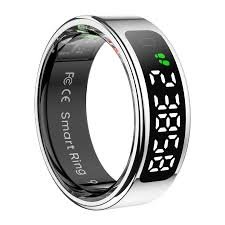
Smart rings are one of the most interesting developments in wearable technology. These compact devices bring selected digital tracking functions into a small ring-shaped design, offering an alternative to larger wrist-worn gadgets.
Depending on the model, a smart ring may include sensors for monitoring heart rate, recording sleep-related information, tracking daily activity, and estimating other wellness measurements. Some products also provide access to collected data through a companion smartphone application.
Their compact size makes smart rings attractive to people who prefer minimal accessories. They can often be worn alongside traditional jewellery and may fit more naturally into professional or formal settings than larger electronic devices.
Another advantage is convenience. A smart ring can collect selected information in the background, reducing the need to interact with a screen throughout the day. Users can review summaries when they want rather than repeatedly checking a device.
However, features vary significantly between models. Buyers should check which measurements a particular ring supports, how its application presents information, and whether the device works with their smartphone.
People researching affordable options can explore the smart ring selections at COLMI through colmi.store. Reviewing product specifications, compatibility information, and available features can help shoppers determine whether a particular device meets their needs.
As the category develops, smart rings may become increasingly relevant to people who want wearable technology that is discreet, lightweight, and easy to incorporate into everyday life.
2. Artificial Intelligence Is Making Wearables More Intelligent
Artificial intelligence is becoming an important part of the wearable technology landscape. When combined with suitable sensors and software, AI can help devices interpret patterns, organise information, and provide more personalised insights.
For example, a fitness wearable may use algorithms to identify activity patterns and summarise changes in movement over time. A compatible application might use collected information to present understandable trends instead of displaying a long list of measurements.
AI may also improve voice interactions, notification management, activity recognition, and personal assistance. Some smart devices can help users organise schedules, access information, or interact with digital services through voice commands.
In the future, wearable AI could become more context-aware. A device might distinguish between periods of activity and rest more effectively or offer recommendations based on a user’s selected goals and recorded habits.
Nevertheless, AI-generated insights should be interpreted carefully. Algorithms can make mistakes, and sensor data may be incomplete or affected by device placement, movement, and environmental conditions.
Wearable technology should therefore support informed decisions rather than replace professional advice when health concerns require expert attention.
3. Health and Wellness Monitoring Is Becoming More Accessible
Health and wellness remain major areas of innovation in wearable technology. Modern devices can help users observe selected aspects of their daily routines, making it easier to understand activity levels and recognise patterns over time.
Depending on the product, available features may include heart-rate tracking, step counting, sleep estimates, exercise recording, and reminders to move after extended periods of inactivity.
These functions can encourage greater awareness of everyday habits. For instance, someone who spends long hours at a desk might use movement reminders to incorporate short breaks into a working day. Another person might review activity summaries to understand how walking or recreational exercise fits into a weekly routine.
Wearables can also help users notice changes in their recorded measurements. However, consumer devices do not all have the same accuracy, and many wellness features are not designed to diagnose medical conditions.
The distinction between wellness tracking and medical monitoring is important. A device’s marketing claims should not be treated as proof that it can identify or prevent a particular illness.
In 2026, the most useful developments are likely to involve clearer data presentation, more consistent measurements, improved comfort, and better explanations of what recorded information actually means.
4. Sleep Tracking Is Becoming More Sophisticated
Sleep tracking has become a popular feature across smartwatches, fitness bands, and smart rings. Many consumers want to understand their sleeping habits and how their daily schedules relate to their overall sense of well-being.
Depending on the device, sleep-tracking features may estimate when a person falls asleep, how long they remain asleep, and how their sleep is divided into different stages. Some products also combine sleep estimates with activity information to provide broader summaries.
Smart rings have attracted interest in this area because their compact form can be convenient for overnight wear. For people who find a watch uncomfortable in bed, a ring may provide an alternative, although comfort depends on its size, construction, and fit.
Sleep data can be useful for identifying general patterns. For example, reviewing several weeks of information may help someone recognise that irregular bedtimes are associated with shorter sleep periods.
However, consumer sleep-stage estimates are not equivalent to a professional sleep assessment. Differences between devices and measurement methods can affect the results.
A practical approach is to use sleep tracking as a source of general awareness rather than becoming overly concerned about individual scores. Consistent routines, a comfortable sleeping environment, and adequate rest remain important regardless of which wearable device someone owns.
5. Fitness Trackers Are Expanding Beyond Step Counting
Fitness trackers have evolved from simple pedometers into multifunctional activity-monitoring devices. Many current products can record different forms of exercise, estimate distance, monitor heart rate, and display activity summaries.
In 2026, the focus is increasingly on helping users understand their movement rather than simply counting steps. Depending on the device, activity tracking may distinguish between walking, running, cycling, and other exercises.
Some products offer workout summaries, progress charts, and personalised activity targets. These functions can help users maintain consistency and review their progress over time.
Fitness trackers can also encourage everyday movement. A user may set reminders to stand up during long working sessions or use activity summaries to identify opportunities to walk more frequently.
Not every person needs a feature-rich smartwatch for these purposes. A basic fitness band or smart ring may provide enough functionality for someone interested mainly in general activity information.
When selecting a fitness tracker, consider the activities you actually perform. Runners may prioritise GPS functionality, while people interested in everyday movement might value battery life, comfort, and a simple companion application.
The best device is not necessarily the one with the longest feature list. It is the one that fits comfortably into a routine and provides information that the user finds useful.
6. Longer Battery Life Is Becoming a Competitive Advantage
Battery life remains one of the most important considerations in wearable technology. A device may offer advanced sensors and attractive software, but frequent charging can make it inconvenient.
Manufacturers are exploring more efficient processors, improved power management, optimised displays, and software adjustments that reduce unnecessary energy consumption.
Small devices face particular challenges because their physical size limits the space available for batteries. Smart rings, for example, must balance compact dimensions with sensor operation, wireless communication, and charging requirements.
Battery performance also depends on usage. Continuous monitoring, frequent screen activation, GPS tracking, and connected features can increase energy consumption.
In 2026, shoppers should pay attention to realistic battery expectations rather than relying exclusively on headline claims. It is helpful to check whether a manufacturer’s estimate assumes limited usage or specific settings.
Charging convenience matters too. Some products use dedicated charging cases or compact charging docks, while others require proprietary cables or accessories.
A well-designed charging system can improve the overall experience, particularly for people who wear their devices overnight or travel frequently.
As wearable technology becomes more integrated into daily routines, efficient power management will remain essential to making devices practical.
7. Wearable Devices Are Becoming More Stylish
Design is another important trend shaping the wearable technology market. Consumers increasingly expect electronic devices to function as personal accessories rather than looking exclusively like technical equipment.
Manufacturers are responding with different colours, finishes, materials, shapes, and sizes. Smartwatches may feature interchangeable bands, while smart rings are often designed to resemble simple jewellery.
This emphasis on appearance makes wearable technology suitable for a wider range of settings. A discreet device may be easier to wear at work, during social occasions, or alongside traditional accessories.
Comfort is equally important. The weight, surface finish, shape, and fit of a wearable can influence whether someone wants to use it throughout the day.
For rings, selecting an appropriate size is particularly important because a device that fits poorly may feel uncomfortable or provide less reliable sensor contact. Buyers should follow the manufacturer’s sizing instructions instead of assuming that ordinary jewellery measurements will always match.
Style should also be considered alongside practical factors such as durability, water resistance, and cleaning requirements.
The future of wearable design will likely involve closer cooperation between electronics engineering, industrial design, and fashion, producing products that balance useful functionality with everyday appearance.
8. Smart Glasses and Augmented Reality Are Developing
Smart glasses represent another promising category in wearable technology. Unlike conventional glasses, these devices may include cameras, microphones, speakers, wireless connectivity, and other electronic components.
Depending on the model, smart glasses can support hands-free audio, voice assistance, image capture, navigation prompts, and access to selected digital information.
Some augmented reality systems go further by placing digital elements within the user’s view of the physical environment. Potential applications include interactive learning, technical training, guided maintenance, and navigation.
For example, a technician might use compatible smart glasses to view step-by-step instructions while working with equipment. A student could explore educational information through an interactive visual experience.
However, smart glasses also face practical challenges. Battery capacity, weight, display quality, outdoor visibility, and price can affect their usefulness.
Privacy is another important consideration. Devices with cameras and microphones should be used respectfully, with attention to local laws and the consent of people who may be recorded.
Although smart glasses may not be suitable for everyone today, ongoing advances in miniaturisation and computing could expand their applications in the coming years.
9. Wearable Technology Is Becoming Better Connected
Connectivity is central to the wearable technology experience. Many devices rely on smartphones or companion applications to display detailed information, synchronise data, manage settings, and receive software updates.
In 2026, consumers increasingly expect wearables to work smoothly within a wider ecosystem of personal electronics. A smartwatch might display smartphone notifications, wireless earbuds may support voice interactions, and a fitness tracker can synchronise exercise records with a compatible application.
Better integration can reduce the effort required to manage information across multiple devices.
However, compatibility remains an important purchasing consideration. Some products work only with particular operating systems or require specific application permissions. Others provide different features depending on the connected smartphone.
Before buying a wearable, confirm whether it supports your phone, whether essential features require an account, and whether any subscription fees apply.
It is also worth considering how easily information can be exported or shared with other applications. A device that stores useful information in an accessible format may offer greater long-term flexibility.
As connected ecosystems mature, users may benefit from more consistent experiences across devices, although interoperability will continue to depend on manufacturers and software standards.
10. Privacy and Data Security Are Becoming Essential
Wearable devices can collect personal information about movement, activity, sleep patterns, and other measurements. Some products also access location information, notifications, or data shared through connected applications.
These capabilities create useful opportunities, but they also make privacy and security important considerations.
Consumers should understand what information a device collects, where that information is stored, and whether it is shared with external services. Reading privacy policies and reviewing application permissions can help users make informed decisions.
Strong account passwords, available two-factor authentication, and timely software updates can provide additional protection where supported.
It is also sensible to disable unnecessary permissions. A basic activity tracker may not need access to every application or personal feature on a smartphone.
Manufacturers can strengthen user confidence by explaining their data practices clearly, minimising unnecessary collection, and providing meaningful privacy controls.
As wearable technology becomes more sophisticated, privacy protection should develop alongside its technical capabilities. Innovation is most valuable when people can understand and control how their personal information is handled.
11. Affordable Wearables Are Opening New Opportunities
Wearable technology is no longer limited to premium smartwatches and specialised professional devices. A growing range of products offers selected tracking and connectivity features at different price points.
This creates opportunities for consumers who want to explore wearable technology without making a large financial commitment.
Affordable smart rings, fitness bands, and entry-level smartwatches may provide basic activity tracking, selected health-related measurements, notifications, and companion-app features. However, the available functions and their quality vary considerably.
Buyers should compare products according to their actual needs instead of assuming that every inexpensive device offers the same capabilities as a premium alternative.
Useful questions include:
- Does the device support the features I plan to use?
- Is it compatible with my smartphone?
- How long does the battery typically last?
- Is the companion application straightforward to use?
- Are there additional subscription or accessory costs?
- Does the manufacturer explain its privacy practices and warranty conditions?
People exploring different wearable categories can visit colmi.store to review available products and compare their stated features. Checking the latest product descriptions and compatibility requirements is a sensible step before making a purchase.
Affordability should be considered alongside reliability, comfort, software support, and the usefulness of the information a device provides.
12. Wearable Technology Is Expanding into Work and Education
Although personal fitness and wellness receive considerable attention, wearable technology also has applications in workplaces and educational environments.
In industrial settings, specialised wearables may help workers communicate, access instructions, monitor environmental conditions, or receive alerts. Depending on the equipment, some systems can support safety procedures and reduce the need to repeatedly consult separate devices.
Healthcare professionals may use certain wearable systems for approved monitoring tasks, while researchers can use specialised devices to collect information during studies.
In education, augmented reality glasses and interactive wearable equipment can create opportunities for practical learning. Students may explore digital demonstrations, follow guided tasks, or interact with information in new ways.
These applications require careful implementation. Employers and institutions should consider data privacy, accessibility, device reliability, training requirements, and whether monitoring practices are appropriate.
Wearable technology is most effective when it solves a clearly defined problem. Adding connected devices without considering the needs of users can create complexity instead of improving productivity.
As these technologies mature, their value will depend on practical design, reliable performance, and responsible integration into existing systems.
13. Sustainability Will Influence Future Wearable Design
As the number of connected devices grows, sustainability is becoming a relevant issue for the electronics industry.
Wearables contain batteries, electronic components, and materials that require resources to manufacture. Their small size does not eliminate the environmental impact associated with production, transportation, packaging, and disposal.
Manufacturers can help by improving product durability, making repairs more practical where possible, and providing responsible battery and electronics recycling guidance.
Longer software-support periods can also help consumers continue using devices rather than replacing them because of avoidable compatibility problems.
Consumers can contribute by choosing products that meet their actual needs, caring for their devices properly, and using available recycling programmes when products reach the end of their useful lives.
Battery replacement is particularly important to consider because compact wearable designs can make servicing difficult. Before buying, shoppers may want to check the manufacturer’s warranty, repair options, and expected support period.
In the future, more sustainable wearable technology may combine efficient power use, durable construction, reduced packaging, and better end-of-life management.
14. How to Choose the Right Wearable Device in 2026
With so many products available, selecting the right wearable starts with identifying your priorities.
If you mainly want to record daily movement and selected wellness measurements, a fitness band or smart ring may be sufficient. If you need notifications, applications, navigation, and interactive controls, a smartwatch could be more appropriate.
If hands-free audio or voice interaction is important, smart glasses or wearable audio devices may be worth exploring.
Next, consider comfort. A device intended for all-day use should fit naturally into your routine. Look at its weight, dimensions, materials, and charging requirements.
Battery life is another practical factor. Consider how frequently you are willing to recharge and whether the device supports your preferred usage pattern.
Compatibility should never be overlooked. Verify that the wearable works with your phone and that the companion application provides the features you need.
Finally, compare the total cost. The purchase price may not include optional subscriptions, replacement accessories, or additional services.
Reviewing these factors helps you select a product based on practical value rather than marketing claims or temporary trends.
15. What Does the Future Hold for Wearable Technology?
The future of wearable technology will likely involve continued progress in sensors, miniaturised computing, artificial intelligence, battery efficiency, and connected software.
Smart rings may become more capable while maintaining compact designs. Smartwatches could offer more personalised summaries and improved integration with digital services. Smart glasses may become lighter and more practical for specific professional and everyday tasks.
Advances in sensor technology could also support more consistent measurements, although accuracy will depend on the application, device design, and validation process.
Artificial intelligence may help users interpret complex information more easily. Instead of presenting only numerical readings, future applications could offer clearer explanations of patterns and highlight information that users choose to prioritise.
At the same time, manufacturers will need to address privacy, security, accessibility, sustainability, and interoperability.
The long-term success of wearable technology will not depend solely on how many features a device contains. It will depend on whether those features provide meaningful benefits, work reliably, and respect the people who use them.
Conclusion
Wearable tech in 2026 is developing across smart rings, fitness trackers, smartwatches, intelligent eyewear, and specialised connected devices. Improvements in artificial intelligence, activity tracking, battery efficiency, design, and connectivity are creating new possibilities for everyday convenience.
These technologies can help people observe their habits, organise digital activities, and access information more easily. They are also creating opportunities in workplaces, education, and selected healthcare applications.
However, choosing a wearable requires more than following the latest trend. Buyers should consider comfort, compatibility, reliability, privacy, battery life, and the features they genuinely need.
For those interested in exploring wearable devices, colmi.store provides a starting point for reviewing available smart ring options and learning about their stated capabilities. Comparing specifications carefully can help shoppers make a decision that fits their routines and budget.
Ultimately, the most exciting possibility of wearable technology is its potential to make digital tools more natural, accessible, and useful. As the industry continues to innovate, the best devices will be those that combine thoughtful design with practical functionality and responsible handling of personal data.
